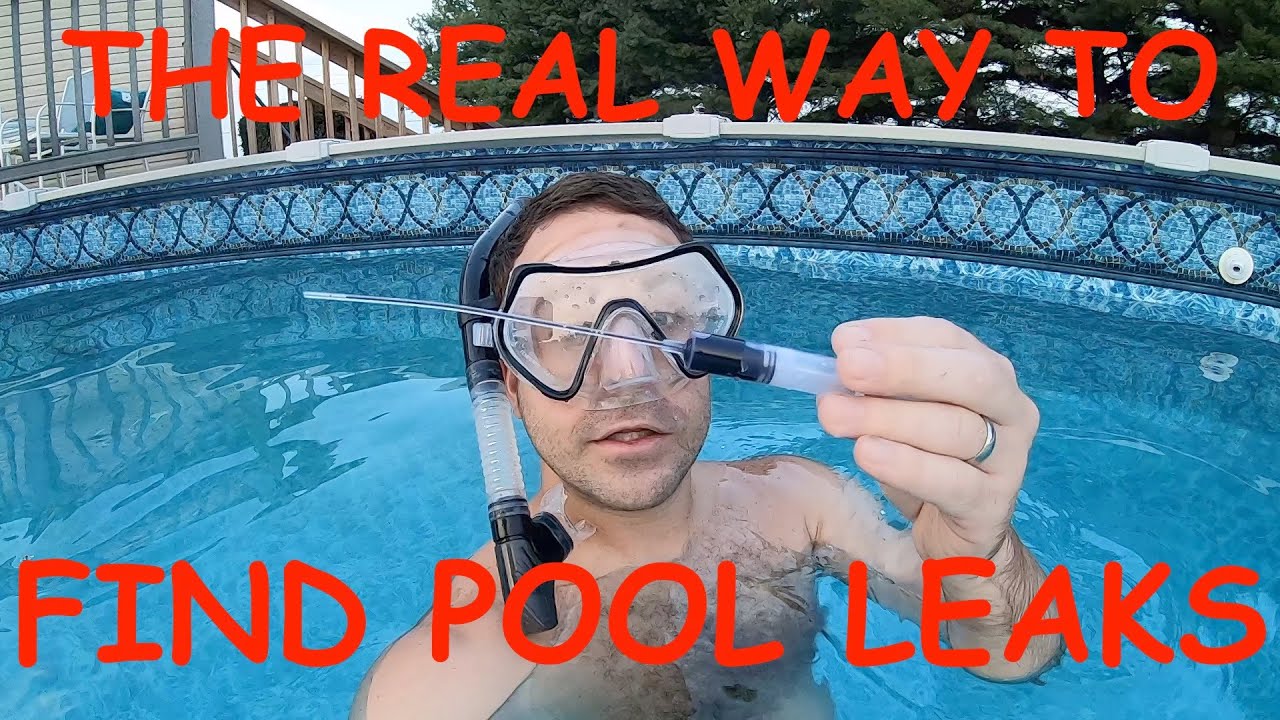
How To Find A Leak In Pool Liner Private Collection Updates #759
Launch Now how to find a leak in pool liner VIP playback. Without any fees on our content hub. Surrender to the experience in a wide array of media displayed in cinema-grade picture, the best choice for superior streaming patrons. With recent uploads, you’ll always never miss a thing. Reveal how to find a leak in pool liner chosen streaming in sharp visuals for a truly engrossing experience. Be a member of our network today to watch exclusive prime videos with no charges involved, no membership needed. Benefit from continuous additions and experience a plethora of uncommon filmmaker media developed for prime media lovers. Seize the opportunity for special videos—download fast now! Witness the ultimate how to find a leak in pool liner visionary original content with amazing visuals and editor's choices.
Addressing a leak in your pool’s vinyl liner requires prompt and precise repair techniques to prevent further water loss and structural damage A leaking pool liner can lead to a significant loss of water, increased chemical consumption, and even damage to the surrounding area Expert tips for finding leak in pool liner, signs to watch for, and repair options to save water and protect your backyard pool.
How to Find a Leak in an Above Ground Pool in Vinyl Liner Material
Discover how to effectively find and repair leaks in your pool liner with our detailed guide Finding a leak in your pool liner can be a daunting task, but with the right approach, you can identify and fix the issue before it becomes a major problem From identifying common causes and signs of leaks to utilizing essential tools like dye test kits and thermal imaging cameras, we provide you with practical methods for locating leaks
Learn diy repair solutions and know when to call a professional for more serious issues
Stay informed and keep your. Once you have chosen a professional leak detection service, the next step is to work with them to locate and repair any leaks in your pool liner The process typically involves a combination of visual inspections, pressure testing, dye testing, and electronic listening devices.